Inside the US-Israel Strikes on Iran: Targets and Tehran's Response
The geopolitical landscape of the Middle East was dramatically reshaped following a coordinated offensive by the United States and Israel against Iran. This significant escalation, termed "major combat operations" by then-President Donald Trump, ignited a swift and stern retaliation from Tehran, propelling the region into an even more precarious state. Understanding the targets, the rhetoric, and the immediate repercussions is crucial to grasping the volatile dynamics at play. At the heart of Iran's defiant stance stood its diplomatic corps, with figures like Foreign Minister Araghchi making it clear that the nation, having learned from past conflicts, would not shy away from a formidable response to any attaque.
The Coordinated Offensive: What We Know About US-Israel Strikes
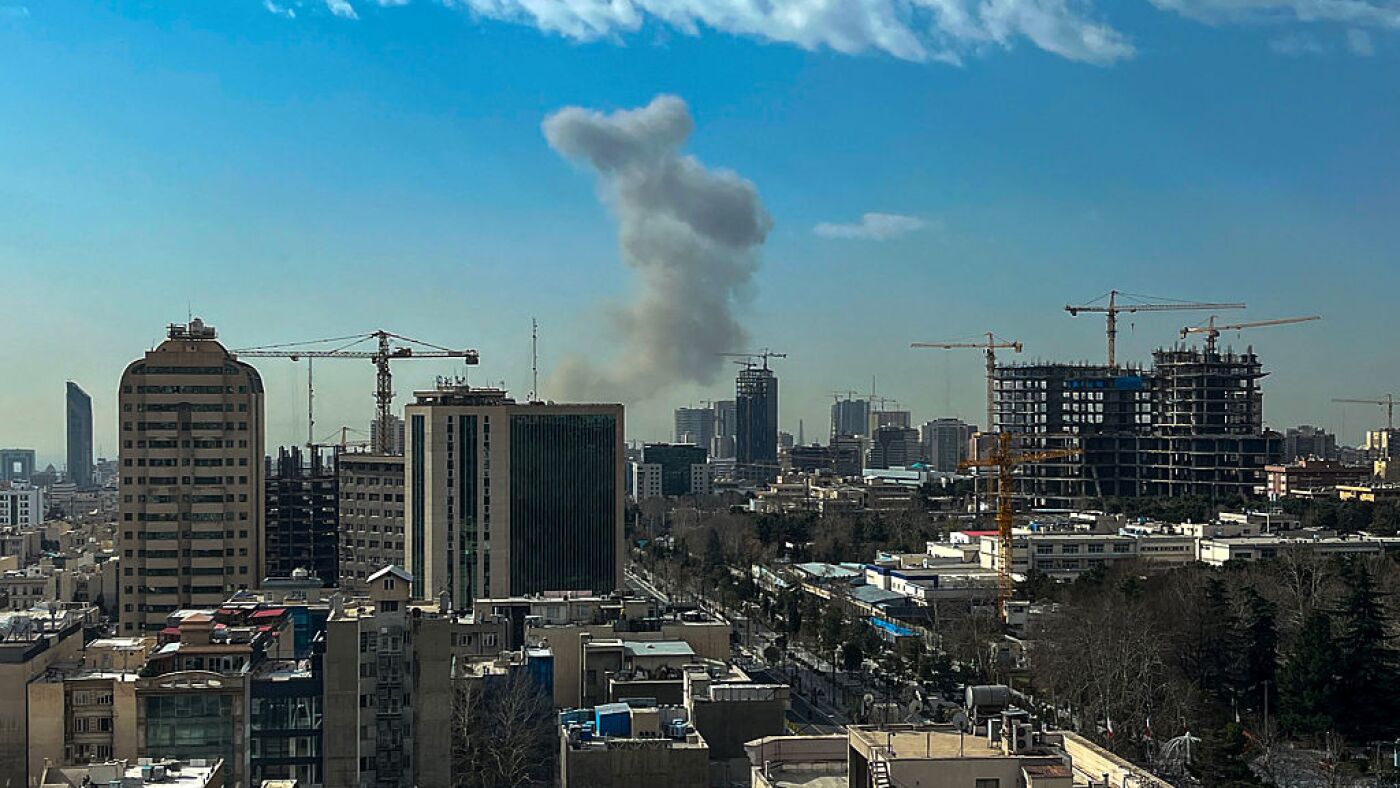
In a pre-dawn operation that sent shockwaves across international capitals, US and Israeli forces launched a series of calculated strikes on Iranian soil. The assault, executed on a Saturday morning, marked a severe escalation of long-simmering tensions. President Trump justified the actions by accusing Iran of aggressively developing missiles capable of threatening Europe and reiterated efforts to "conclude an agreement," suggesting the strikes were a pressure tactic. Simultaneously, Israeli Prime Minister Benjamin Netanyahu echoed a similar sentiment, stating the operation aimed to empower the Iranian people to "take their destiny into their own hands," implying a desire for internal change within Iran.
The targets of these initial strikes were diverse and strategic, reflecting a coordinated effort to cripple Iran's military and intelligence capabilities while also signaling a direct challenge to its governmental authority. Reports from Iranian media and informed officials indicated hits across the country. Key targets reportedly included:
- Military Installations: Sites crucial to Iran's conventional and unconventional military power were hit, aiming to degrade operational capabilities.
- Intelligence Hubs: Facilities associated with Iran's intelligence apparatus were targeted, likely to disrupt information gathering and command structures.
- Government-Linked Sites: Symbolic and functional government buildings were also in the crosshairs, including areas near the complex of Supreme Leader Ali Khamenei in central Tehran. Roads leading to his complex were notably shut down by authorities, and explosions were reported in the vicinity of his office, though official confirmation of direct hits on his personal residence was not made.
The sounds of multiple explosions reverberated through Tehran, especially after Israel publicly confirmed its involvement. While authorities remained tight-lipped about casualties, the immediate closure of Iranian airspace to civilian flights, mirrored by a similar move in Israel, underscored the gravity of the situation. Israel, in turn, declared a state of emergency, with sirens wailing across the country to prepare its population for anticipated retaliatory rocket attacks.
Tehran's Swift and Stern Retaliation: Lessons Learned, Lessons Taught
True to its warnings, Iran did not hesitate to respond. Shortly after the US-Israel strikes, the Islamic Revolutionary Guard Corps (IRGC) issued a defiant statement, announcing "the first wave of large-scale missile and drone attacks by the Islamic Republic of Iran against the occupied territories has begun." This robust counter-offensive targeted both Israeli territory and American military installations situated in the Gulf, signaling Iran's willingness to project power beyond its borders.
A central figure in Tehran's immediate response was Iran's Foreign Minister Araghchi. His powerful statement, "We have learned many lessons from the previous war, and we will certainly teach the aggressors a lesson they fully deserve," encapsulated Iran's resolve. This assertion, drawing on historical experience, suggested a well-thought-out retaliatory strategy rather than a knee-jerk reaction. The minister's words highlighted Iran's strategic patience and the deep-seated historical memory that informs its foreign policy, especially when facing external aggression. The intensity of this response, from Iran's top minister, following the coordinated attacks, undeniably marked a new phase of regional instability. This firm stance, as articulated by the Iranian minister, underscored Tehran's readiness to defend itself vigorously after the initial attacks.
The scope of Iran's retaliation was significant:
- Missile and Drone Barrages: A barrage of missiles and drones was unleashed, designed to overwhelm defenses and inflict damage.
- Targets in Israel: Specific sites within Israel were reportedly targeted, though the extent of damage was immediately unclear.
- US Military Facilities: American bases and installations in the Gulf region, strategic assets for the US in the Middle East, also came under fire, directly challenging US military presence.
Adding another layer of complexity, Iran-backed Houthi rebels in Yemen quickly announced their intention to resume attacks on ships, a move that could significantly impact global shipping lanes and further destabilize maritime security in the Red Sea and Gulf of Aden. This illustrates the intricate web of proxies and alliances that Iran leverages to extend its influence and retaliatory capabilities.
Broader Regional Implications and Escalation Risks
The synchronized strikes and immediate Iranian counter-attacks have dramatically escalated tensions, pushing the region closer to a full-scale conflict. The tit-for-tat nature of the aggression raises serious concerns about a dangerous cycle of retaliation, where each side feels compelled to respond to the other's actions. The escalation of US-Israel strikes and Iran's retaliatory measures has profound regional and international implications.
Analyzing the Language of Escalation: Practical Insights
For those observing these geopolitical tremors, understanding the rhetoric and actions is key:
- Decoding Official Statements: Official pronouncements from leaders like Trump, Netanyahu, and Araghchi are not just rhetoric; they often reveal strategic intent. Trump's call for Iranians to "take their destiny into their own hands" hints at regime change aspirations, while Araghchi's reference to "lessons learned" suggests pre-planned responses.
- Proxy Warfare: The involvement of groups like the Houthis demonstrates how regional conflicts often involve non-state actors, complicating attribution and de-escalation efforts. Monitoring the activities of such groups provides critical insights into broader strategic objectives.
- Economic Impact: Beyond direct military action, consider the economic fallout. Airspace closures, threats to shipping, and disruptions to oil markets are immediate consequences that impact global stability.
- De-escalation Pathways: While the current situation points to escalation, behind-the-scenes diplomatic efforts are often underway. Look for signals of willingness to negotiate, backchannels, or third-party mediation efforts as potential off-ramps.
The immediate aftermath saw an atmosphere of intense uncertainty. While the closure of airspace protected civilian flights, it also isolated the region. The lack of immediate information on casualties from the Iranian side further fueled speculation and anxiety. The incident also highlighted the vulnerabilities of both sides, from Iran's exposed government sites to Israel's readiness for missile defense. The profound declaration from Iran's minister regarding the counter-attack signals a critical shift in the regional power dynamic.
The potential for miscalculation remains extremely high. With sophisticated military assets on all sides and a complex web of alliances and rivalries, a single error could trigger a far wider conflict with devastating consequences for the region and the global economy. The international community, therefore, remains on high alert, urging restraint and seeking avenues for de-escalation.
Conclusion
The coordinated US-Israel strikes on Iran and Tehran's subsequent, forceful retaliation represent a dangerous new chapter in the enduring regional standoff. From the precision targeting of military and intelligence sites to Iran's deployment of missiles and drones against its adversaries, the events underscored a perilous escalation. The resolute pronouncements from Iran's Foreign Minister Araghchi, drawing upon a history of conflict, signaled a nation prepared to defend its sovereignty. As the region grapples with the immediate aftermath, the long-term implications for stability, international shipping, and the broader geopolitical balance remain profoundly uncertain, demanding urgent diplomatic efforts to avert further bloodshed and wider conflict.